※ This column is content restructured for Korean readers with the official permission of the original author, Professor Shinya Hayasaka.
Recovery begins in the bathtub.
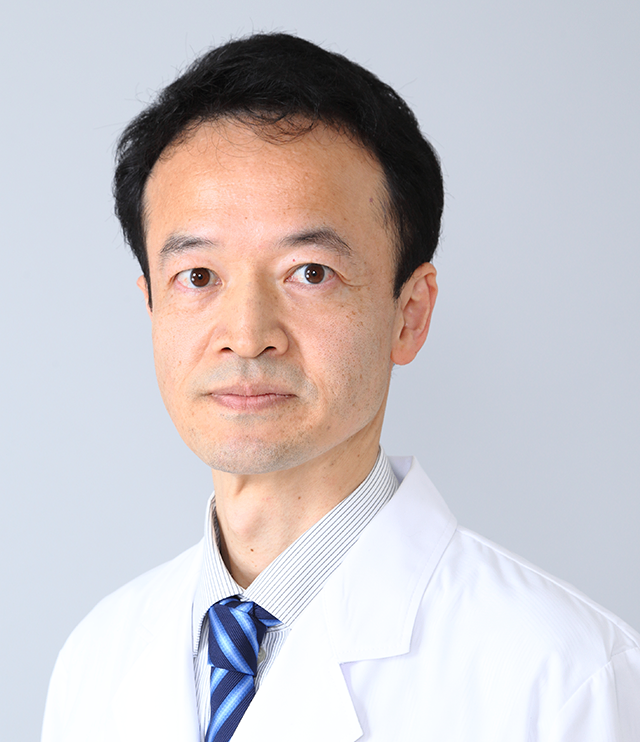
Nice to meet you. I am Shinya Hayasaka, a specialist in hot spring therapy and a Doctor of Medicine.
For over 20 years, I have been researching 'bathing' from a medical perspective and have investigated the bathing habits of more than 30,000 people.
If asked what the easiest way to recover from an exhaustion is, I always give the same answer: soaking in a bathtub every day. Many people skip a bath just because they are busy (especially in Korean households where shower stalls are more common than bathtubs), but doing so is like throwing away your own opportunity for recovery. Today, I will explain why "only showering is a waste" and summarize bathing methods that effectively relieve fatigue.
Let's learn the basic formula.
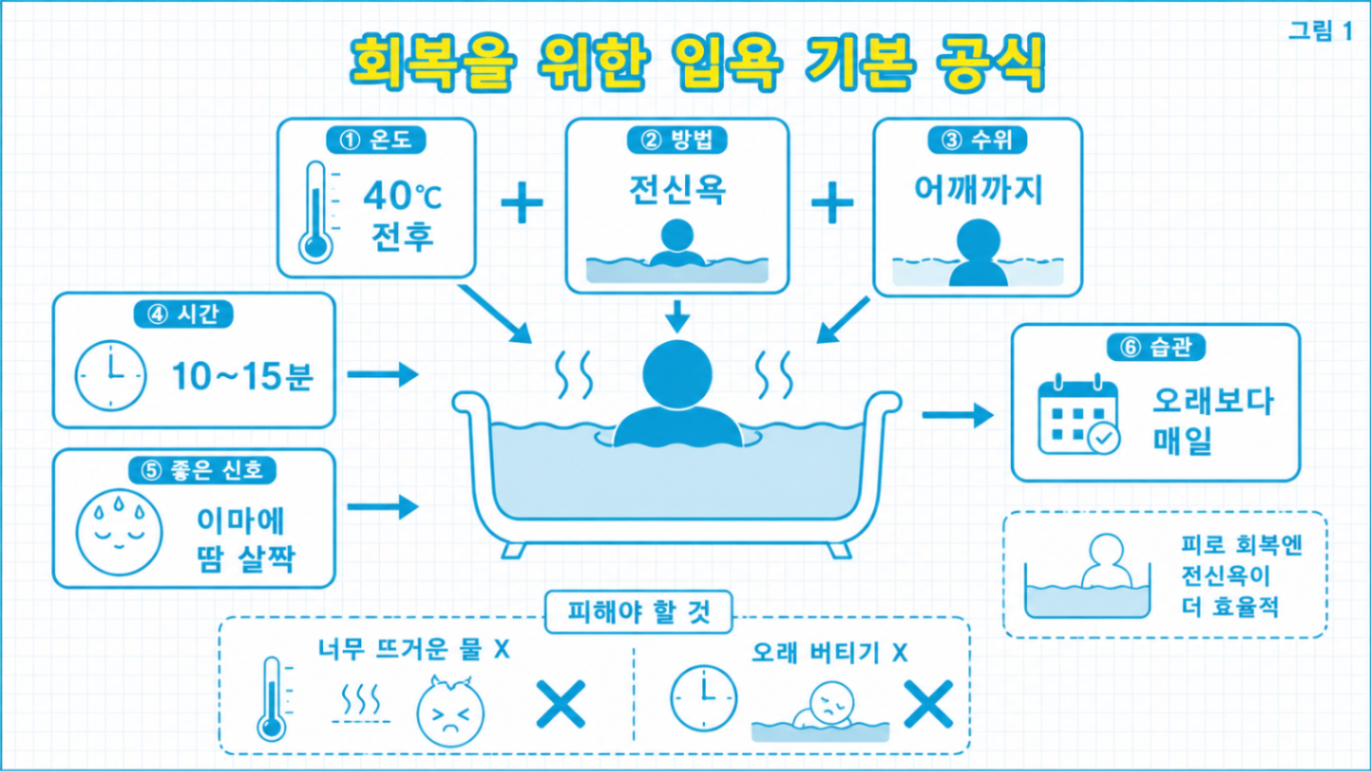
Not hot or long — a full body bath at around 40℃
There is a formula close to the correct answer for a recovery bath. It is a full-body bath in water around 40°C, immersing yourself up to your shoulders. Water that is too hot drives the body into a state of excitement (sympathetic nervous system), which actually interferes with sleep. A temperature that feels lukewarm activates the parasympathetic nervous system and switches the body into 'recovery mode.'
In Korea, half-body bathing is widely known as a health practice (and it certainly has its advantages), but if the goal is fatigue recovery, a full-body bath in which you immerse yourself up to your shoulders is more efficient for warming the body.
How many minutes would be appropriate?
Soaking for 10 to 15 minutes is sufficient.
You can discard the idea that you have to endure it for a long time to see results. 10 to 15 minutes is sufficient. Instead, it is much more important to do it every day without skipping a single day. This amount of time is enough to thoroughly warm you up from the inside out without placing a heavy burden on your mind and body. Just enough to make you sweat slightly on your face or forehead is the perfect sign.
If you feel chest tightness, your autonomic nervous system may have switched over to the sympathetic side. Do not endure it; get out of the bath and rest for a while. Those with heart, vascular, or respiratory conditions need to be especially careful. If you force yourself to stay in the bath while sweating profusely, you could suffer from so-called "bathing heatstroke" (dizziness). Most of you have likely experienced feeling dizzy after staying in a public bath or sauna for too long. It is counterproductive to ruin your condition while taking a bath intended to improve your health. The bathtub is not a test of endurance.
📘 Onlive Guide Points
The key is not holding out for a long time, but doing it 'every day'. 10 to 15 minutes—when sweat forms on your forehead, it is time to come out.
How to Choose Bath Bombs?
Take the recovery effect to the next level with bath additives.
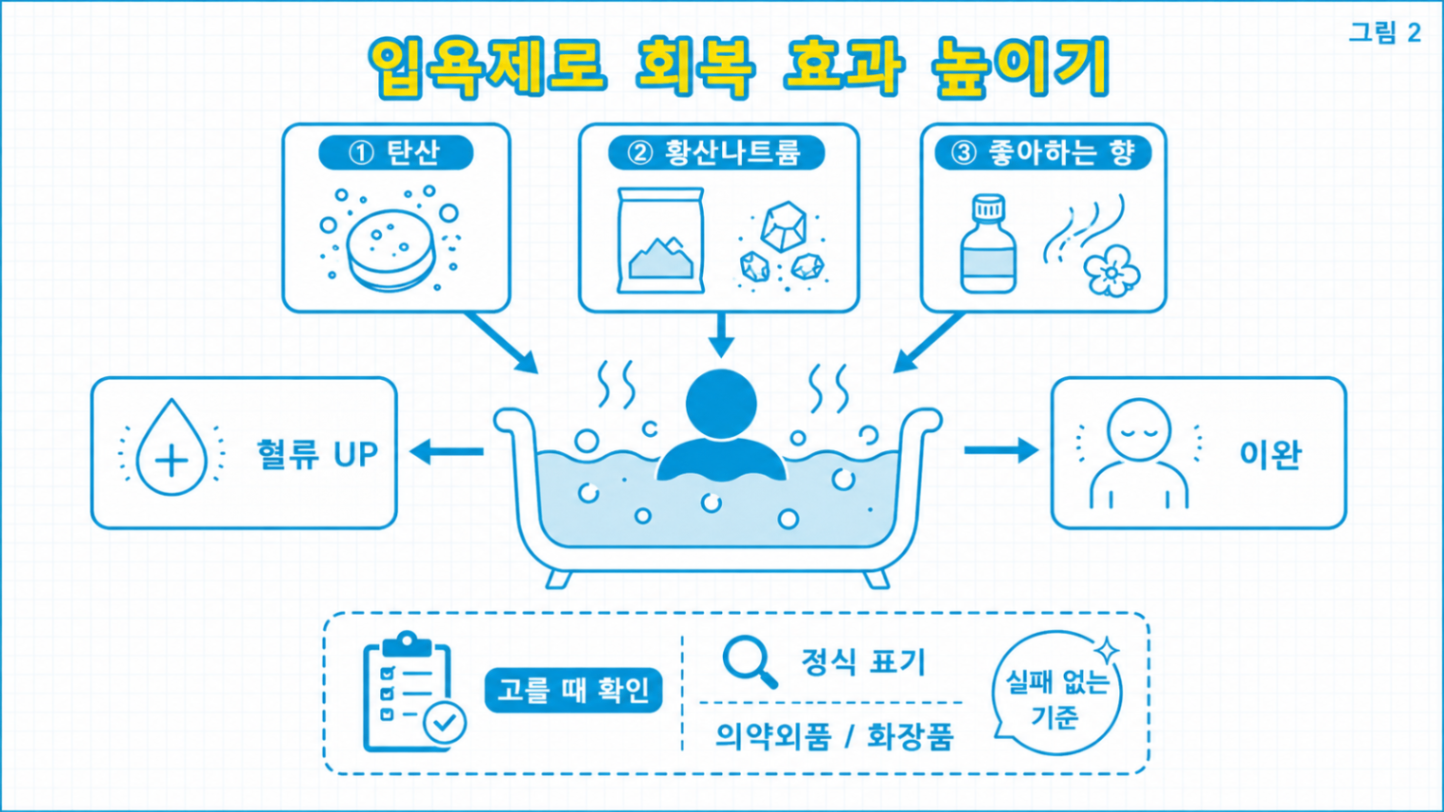
Bath additives containing sodium sulfate, which increases blood flow and helps eliminate fatigue-causing substances, are helpful for recovery.
The most popular items these days are bubbly carbonated bath additives (popularized in Japan in the form of 'bath bombs,' and can be easily found in online stores in Korea as well). Since carbonation is absorbed directly through the skin and dilates blood vessels, it improves blood flow.
It becomes. If you take a deep breath of your favorite scent here, the relaxation effect itself increases.
One criterion to consider when choosing a product is checking the labeling. In Japan, "quasi-drugs" and "bath cosmetics" are subject to safety and efficacy regulations; in Korea, if you select a product officially labeled and authorized as a "quasi-drug" or "cosmetic," you can use it with peace of mind based on the same standards.
📘 Onlive Guide Points
Containing sodium carbonate and sulfate, plus your favorite scent. You can't go wrong if you check the official labeling.
The real turning point is after the bath.
Don't let go of the warmed-up heat.
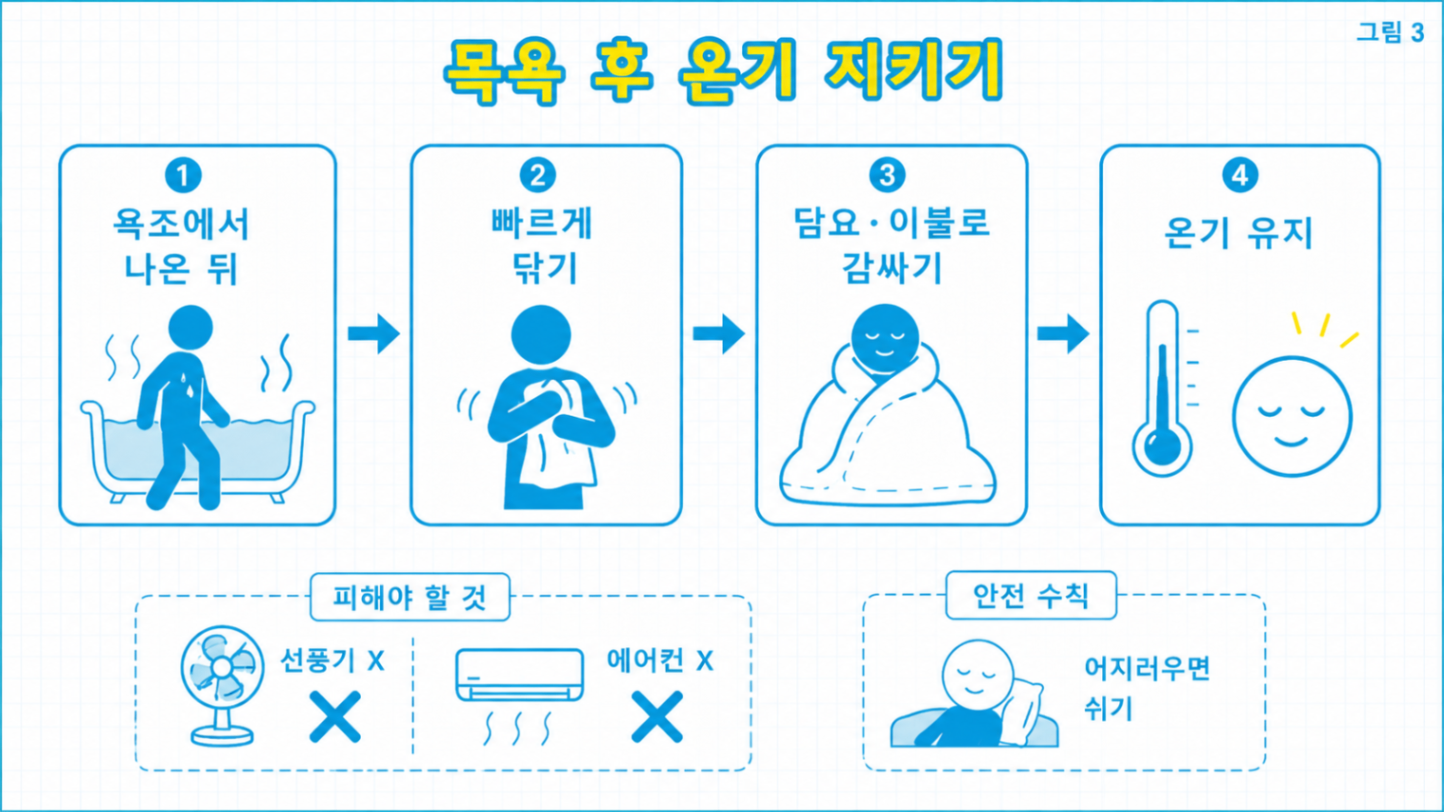
It is strictly forbidden to lie around naked after getting out of the bathtub. Quickly dry yourself with a towel and wrap yourself in a blanket or duvet. Basically, it is a no-no to expose yourself to a fan or air conditioner to cool down after a bath (except if you are already hot enough to feel dizzy). If your body cools down too quickly after you have worked so hard to warm up, the improved blood circulation you worked so hard to achieve will be ruined in an instant.
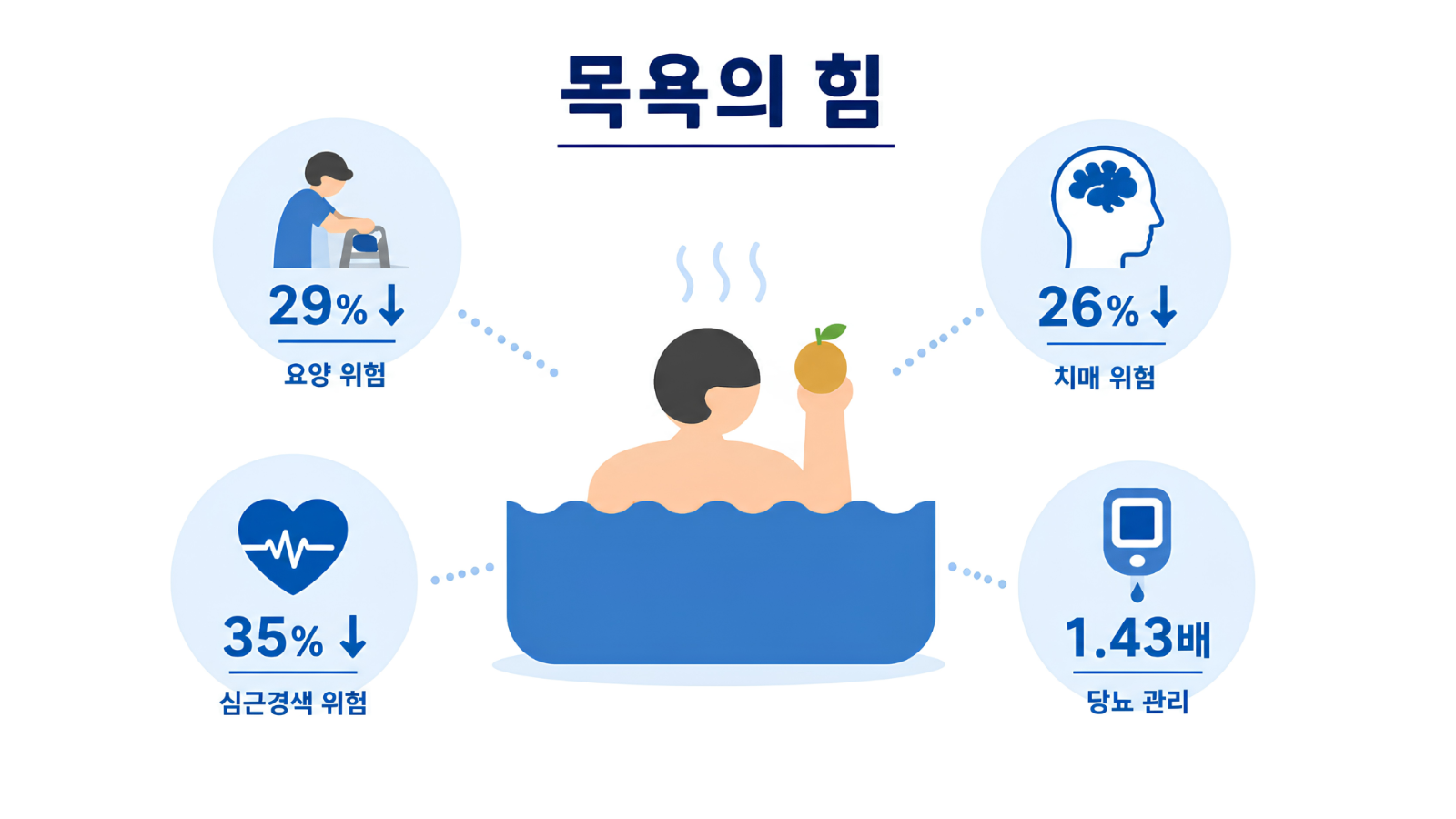
The habit of taking a bath every day is beneficial for a wide range of generations, from the active working generation to the elderly. In fact, a recent study by our research team confirmed that the habit of bathing daily helps maintain physical independence, and that people who practice this habit tend to have higher levels of happiness.
The greatest appeal of bathing as a health practice is that it is inexpensive and simple. It requires neither special equipment nor a fortune. It is the best method of recovery that you can practice every day without strain—that is bathing. Start tonight by turning off the shower and filling the bathtub with water.
📘 Onlive Guide Points
The bath begins the moment you step out. Dry yourself quickly, wrap yourself warmly, and keep warm.
Hayasaka Shinya
Specialist in Hot Spring Therapy, Doctor of Medicine, Professor at Tokyo Metropolitan University
Director of the Hot Spring Medical Science Research Institute, Japan Health Development Foundation
The leading expert in the medical study of bathing as a lifestyle habit. Author of *The Best Bathing Method* (Yamato Shobo) and many others.